

आज: २०८३ आश्विन ११, आईतबार | Sun, 27, Sep, 2026



 आक्रमण न्युज
Alisha Timilsina


Nepal is experiencing increasing environmental challenges in 2024/2025. Air pollution remains one of the most serious issues, especially in the Kathmandu Valley, where Air Quality Index (AQI) levels exceeded 400 in several instances. This rise is attributed to forest fires, dust from unregulated construction, vehicular emissions, and dry weather conditions. As a result, respiratory illnesses have surged, forcing temporary school closures and overburdening hospitals.
To combat this, Nepal has accelerated its transition to electric vehicles (EVs). Over 70% of new passenger vehicles imported are now electric, thanks to hydropower support and government incentives. However, public transport electrification still lags due to insufficient infrastructure.
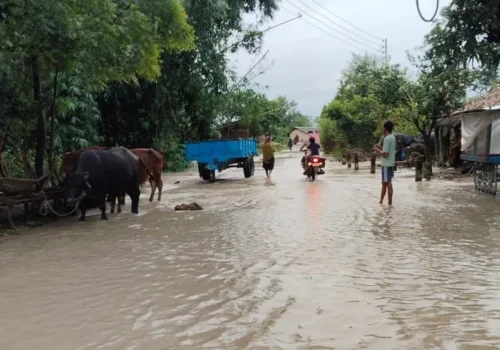
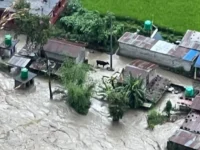
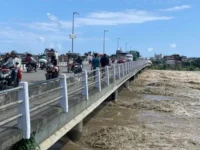
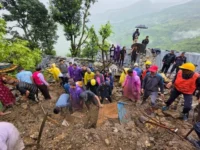
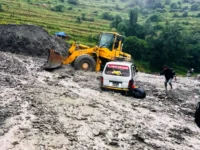
Climate change has worsened natural disasters. The 2024 monsoon brought record rainfall to the Kathmandu Valley, causing floods that killed hundreds and damaged infrastructure. Glacial lake outburst floods in mountainous areas like Thame displaced families, and the retreat of Himalayan glaciers continues to heighten the risk of landslides and avalanches.
In response, authorities and NGOs have launched awareness campaigns, developed mobile apps to report pollution, and imposed bans on certain high-impact activities. Despite these efforts, unplanned urban growth and land degradation continue to pose serious threats.
Nepal’s environmental future depends on sustainable planning and climate resilience.




आक्रमण मिडिया नेटवर्क को लागि
अध्यक्ष : मेनुका पन्त
प्रधान सम्पादक : टिकादत्त तिमिल्सिना
सल्लाहकार सम्पादक: हरि अधिकारी
सम्पादक: शंकर चिमरिया
कार्यकारी सम्पादक : होमनाथ न्यौपाने
सह-सम्पादक: एलिशा तिमिल्सिना/ शंकर सुवेदी
मार्केटिङ डाइरेक्टर: प्रभात राज पाण्डे
सम्बादाताहरु:
उदय तिमिल्सिना
सुरेस अधिकारी
जनता रैका (कोहलपुर )
सन्दिप कुंवर (नवलपरासी)
द. नं. ००२४४/०८०/०८१
न्युज डेस्क सम्पर्क: ०५६५२१५७७
मोबाईल: ९८५५०५९५१०
भरतपुर, चितवन
Website:- akramannews.com









प्रतिक्रिया दिनुहोस